
6 Key Causes of Gallbladder Cancer in Nepal and How to Protect Yourself
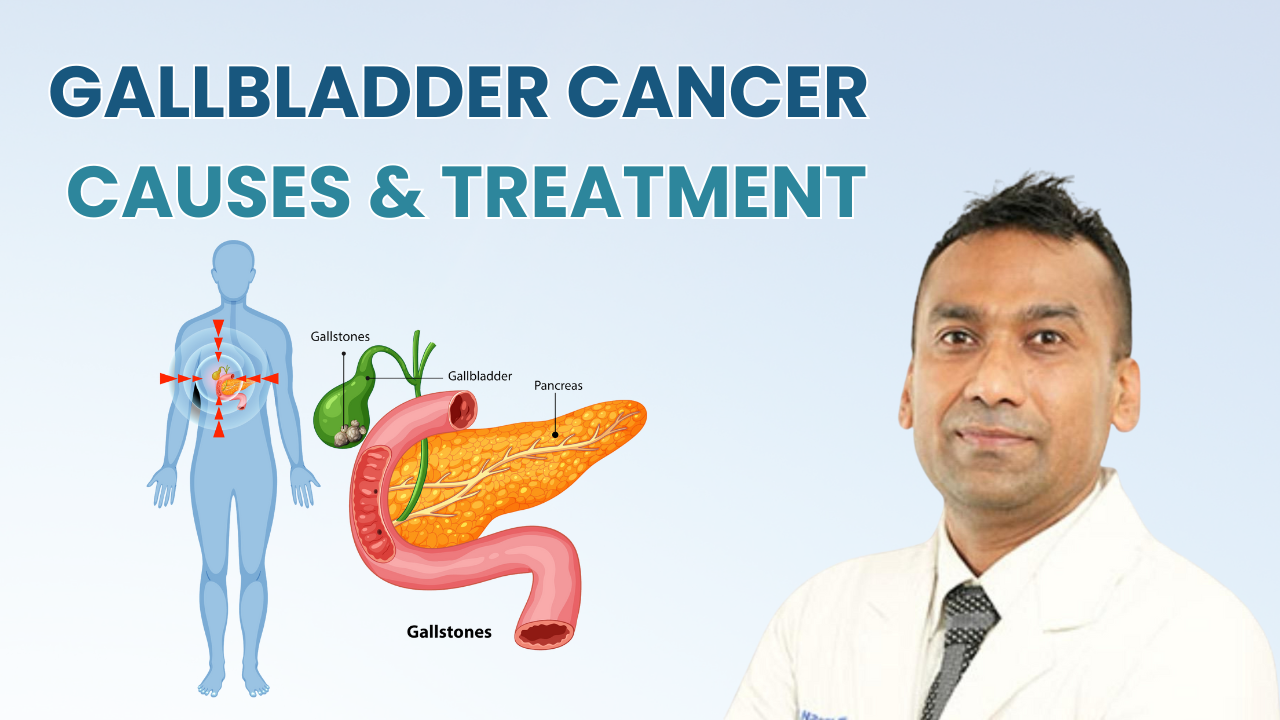
What is Gallbladder Cancer?
Gallbladder cancer (GBC) is a serious disease that starts in the gallbladder — a small organ beneath the liver that stores bile to help digest fat. It is the most common cancer of the biliary tract and one of the most aggressive abdominal cancers.
Unfortunately, it is often detected late because early symptoms are vague or absent, and many cases are only discovered after surgery done for gallstones.
 Gallbladder Cancer in Nepal
Gallbladder cancer is more common in Nepal than in many other parts of the world, especially in the Terai region. The pattern in Nepal is similar to that seen across the Himalayan and northern plains, where many people suffer from chronic gallbladder diseases and exposure to certain environmental factors.
Studies suggest that both lifestyle and environmental causes play important roles in this higher incidence.
Common Causes and Risk Factors
Several factors increase the risk of developing gallbladder cancer in Nepal:
- Gallstones (Cholelithiasis) – Found in nearly 9 out of 10 patients with gallbladder cancer. Chronic irritation and inflammation caused by gallstones over many years can lead to cancer.
- Aflatoxin Exposure – A toxin produced by fungi that grow on improperly stored grains, nuts, or maize. High aflatoxin exposure has been reported in parts of Nepal and is believed to contribute to gallbladder and liver cancers.
- Mustard Oil Consumption – Mustard oil, commonly used for cooking in Nepal, has been associated with an increased risk in some studies, especially when used repeatedly for frying.
- Chronic Infections – Long-term infections such as Salmonella Typhi (typhoid carrier state) can inflame the gallbladder and raise cancer risk.
- Female Gender and Age – Women, particularly after menopause, are nearly twice as likely as men to develop this cancer.
- Genetic and Family Factors – Some people may have inherited tendencies that make them more prone to gallbladder problems and cancer.
Warning Signs and Symptoms
Early-stage gallbladder cancer rarely causes clear symptoms. However, medical evaluation is essential if you notice:
- Persistent pain in the right upper part of the abdomen
- Nausea or vomiting
- Jaundice (yellowing of the skin or eyes)
- Loss of appetite and unexplained weight loss
- A lump or swelling in the upper abdomen
Because these symptoms can mimic gallstone disease, gallbladder cancer is often detected incidentally after gallbladder removal (cholecystectomy).
Diagnosis and Treatment
Diagnosis usually involves ultrasound, CT scan, or MRI of the abdomen. Blood tests like CA 19-9 and CEA may support but cannot confirm the diagnosis.
Surgery is the only potentially curative treatment if the cancer is detected early.
In advanced cases, treatment may include chemotherapy, immunotherapy, or palliative care to relieve symptoms and improve quality of life.
Because early detection offers the best chance for cure, timely evaluation of gallbladder symptoms is crucial.
Prevention and Early Awareness
Although not all cases can be prevented, the following steps can help lower the risk:
- Treat gallstones early, especially if they cause repeated pain.
- Avoid using reheated or adulterated mustard oil.
- Store grains and nuts properly to prevent fungal (aflatoxin) contamination.
- Eat a healthy, balanced diet rich in fruits and vegetables.
- Maintain a healthy weight and exercise regularly.
- Seek medical advice early if you have long-standing abdominal discomfort or a family history of gallbladder disease.
Key Message
Gallbladder cancer is a major but often overlooked health problem in Nepal. Many people ignore gallstone symptoms for years until it becomes too late.
Raising awareness, ensuring proper medical evaluation, and taking preventive measures can help detect the disease early — when it is still curable.
If you or a family member have gallstones or persistent abdominal pain, consult a gastroenterologist or hepatobiliary surgeon for timely evaluation.
We’re here to help! For any queries or appointments, contact us at +9779818300888