
Liver Detox Myths and Facts | The Truth About Liver Detox
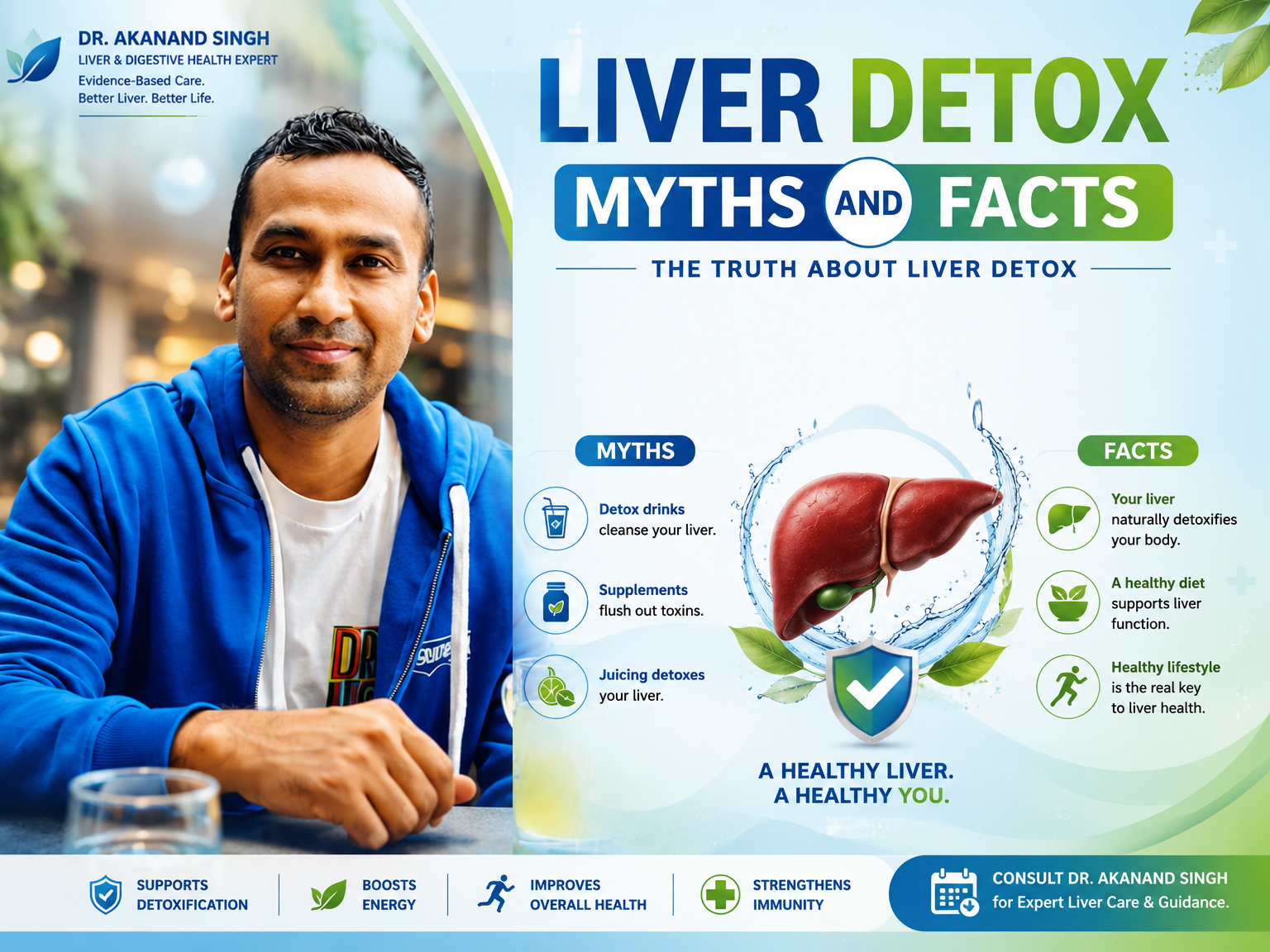
Is Your Liver Really Full of Toxins?
If you’ve searched online for ways to improve your health, you’ve probably come across products promising to “detox your liver” in just a few days. Detox teas, juice cleanses, herbal supplements, and expensive detox kits claim to flush toxins from your liver and restore its function.
But do these liver detox methods actually work?
The answer is not in the way most advertisements suggest.
Your liver is already one of the body’s most powerful detoxification organs. In most cases, it doesn’t need a special cleanse—it needs proper care. Understanding the facts can help you avoid ineffective treatments and focus on habits that genuinely support liver health.
What Does the Liver Actually Do?
The liver is one of the largest and hardest-working organs in the human body. It performs more than 500 essential functions, including:
- Filtering harmful substances from the blood
- Processing medications and alcohol
- Producing bile to aid digestion
- Storing vitamins and minerals
- Regulating blood sugar levels
- Producing proteins that help blood clot
- Supporting the immune system
Unlike many other organs, the liver has an impressive ability to repair itself after injury. However, repeated damage over time can lead to permanent scarring (cirrhosis), liver failure, or liver cancer.
Liver Detox Myths and Facts: What Is a Liver Detox?
A liver detox generally refers to diets, supplements, juices, teas, or fasting programs that claim to:
- Remove toxins from the liver
- Improve liver function
- Promote rapid weight loss
- Increase energy levels
- Reverse fatty liver disease
Despite these claims, there is very little scientific evidence that commercial detox products improve liver function in healthy individuals. According to the American Association for the Study of Liver Diseases (AASLD), there is limited evidence supporting commercial liver detox products for healthy people.
Most detox programs rely on marketing rather than strong clinical research.
Common Liver Detox Myths vs. Facts
Liver Detox Myth 1: Detox Drinks Clean Your Liver
Fact:
The liver naturally filters toxins every day without needing detox drinks or juices.
A healthy liver continuously removes waste products through the body’s natural systems. Drinking expensive detox beverages does not “flush” toxins out of your liver.
Liver Detox Myth 2: Herbal Supplements Are Always Safe
Fact:
Natural does not always mean safe.
Some herbal supplements have been linked to liver injury, especially when taken in large amounts or without medical supervision. Certain supplements may also interact with prescription medications.
Always consult your healthcare provider before starting any herbal product.
Liver Detox Myth 3: Juice Cleanses Can Reverse Fatty Liver Disease
Fact:
There is no evidence that juice cleanses cure fatty liver disease.
While fruits and vegetables are healthy, consuming only juices for several days can lead to inadequate protein intake and unstable blood sugar levels.
The most effective treatment for fatty liver includes:
- Gradual weight loss
- Regular exercise
- A balanced diet
- Controlling diabetes and cholesterol
- Avoiding excessive alcohol
Liver Detox Myth 4: Liver Detox Helps After Heavy Drinking
Fact:
No detox product can reverse alcohol-related liver damage overnight.
If alcohol has damaged the liver, recovery depends on stopping alcohol consumption, eating a nutritious diet, and receiving appropriate medical care.
Liver Detox Myth 5: Everyone Needs a Liver Cleanse
Fact:
Healthy individuals do not require routine liver detox programs.
The liver continuously performs its natural detoxification process without scheduled cleanses.
Instead of detoxing once a year, focus on healthy habits throughout the year.
Liver Detox Myths and Facts: Natural Ways to Keep Your Liver Healthy
Rather than following detox fads, medical experts recommend evidence-based lifestyle changes that truly benefit your liver.
Eat a Balanced Diet
Choose foods rich in:
- Fresh fruits
- Green leafy vegetables
- Whole grains
- Lean proteins
- Healthy fats
- Nuts and seeds
Limit:
- Sugary beverages
- Processed foods
- Excess saturated fat
- Excessive salt
Maintain a Healthy Weight
Being overweight increases the risk of Non-Alcoholic Fatty Liver Disease (NAFLD), one of the most common liver conditions worldwide.
Losing even 5–10% of body weight can significantly improve liver health in many individuals.
Exercise Regularly
Aim for at least 150 minutes of moderate physical activity each week.
Walking, cycling, swimming, and strength training all contribute to better liver function and metabolic health.
Drink Alcohol Responsibly
Excessive alcohol remains a leading cause of liver disease.
If you drink alcohol, follow recommended guidelines. If you already have liver disease, your doctor may advise avoiding alcohol completely.
Stay Hydrated
Water supports your body’s natural metabolic processes and overall health.
Although water doesn’t “detox” the liver directly, staying hydrated is essential for healthy organ function.
Get Vaccinated
Vaccines can protect against Hepatitis A and Hepatitis B, both of which can cause serious liver damage.
Discuss vaccination with your healthcare provider if you are at risk.
Warning Signs You Should Never Ignore
Consult a liver specialist if you experience:
- Yellowing of the eyes or skin (jaundice)
- Persistent abdominal pain
- Swelling of the abdomen
- Dark urine
- Pale stools
- Persistent fatigue
- Loss of appetite
- Unexplained weight loss
- Nausea or vomiting lasting several days
Early diagnosis often leads to better outcomes.
When Should You See a Liver Specialist?
You should seek medical evaluation if you have:
- Fatty liver disease
- Hepatitis B or C
- Cirrhosis
- Elevated liver enzymes
- Liver cysts or tumors
- Gallbladder disease
- A family history of liver disease
- Long-term alcohol use
- Diabetes with abnormal liver tests
A specialist can recommend the most appropriate investigations and treatment based on your condition.
Frequently Asked Questions (FAQs)
Can detox teas improve liver function?
There is no strong scientific evidence that detox teas improve liver function. Some products may even cause liver injury.
Can the liver heal itself?
Yes. The liver has a remarkable ability to regenerate, particularly when damage is identified and treated early.
Is lemon water good for the liver?
Lemon water can help you stay hydrated, but it does not detoxify the liver or cure liver disease.
Are liver detox supplements recommended?
Routine detox supplements are generally not recommended without medical advice, as some may contain ingredients that can harm the liver.
What is the best way to keep the liver healthy?
A balanced diet, regular exercise, maintaining a healthy weight, limiting alcohol, getting vaccinated against hepatitis, and regular health check-ups are among the best ways to support liver health.
Liver Detox Myths and Facts: Final Thoughts
The idea of a quick liver detox is appealing, but science tells a different story. Your liver is naturally designed to filter toxins and keep your body functioning efficiently. Most detox products offer little proven benefit and, in some cases, may even be harmful.
The most effective way to protect your liver is through healthy daily habits, timely medical check-ups, and evidence-based care. If you have symptoms of liver disease or concerns about your liver health, consult a qualified liver specialist for proper evaluation and personalized treatment.
About Dr. Akanand Singh
Dr. Akanand Singh is a Hepatobiliary (HPB) and Liver Transplant Surgeon with expertise in the diagnosis and surgical management of liver, pancreas, gallbladder, and bile duct diseases. He is committed to providing evidence-based, patient-centered care while promoting awareness about liver health, disease prevention, and advanced surgical treatment options.