
Gallbladder Cancer
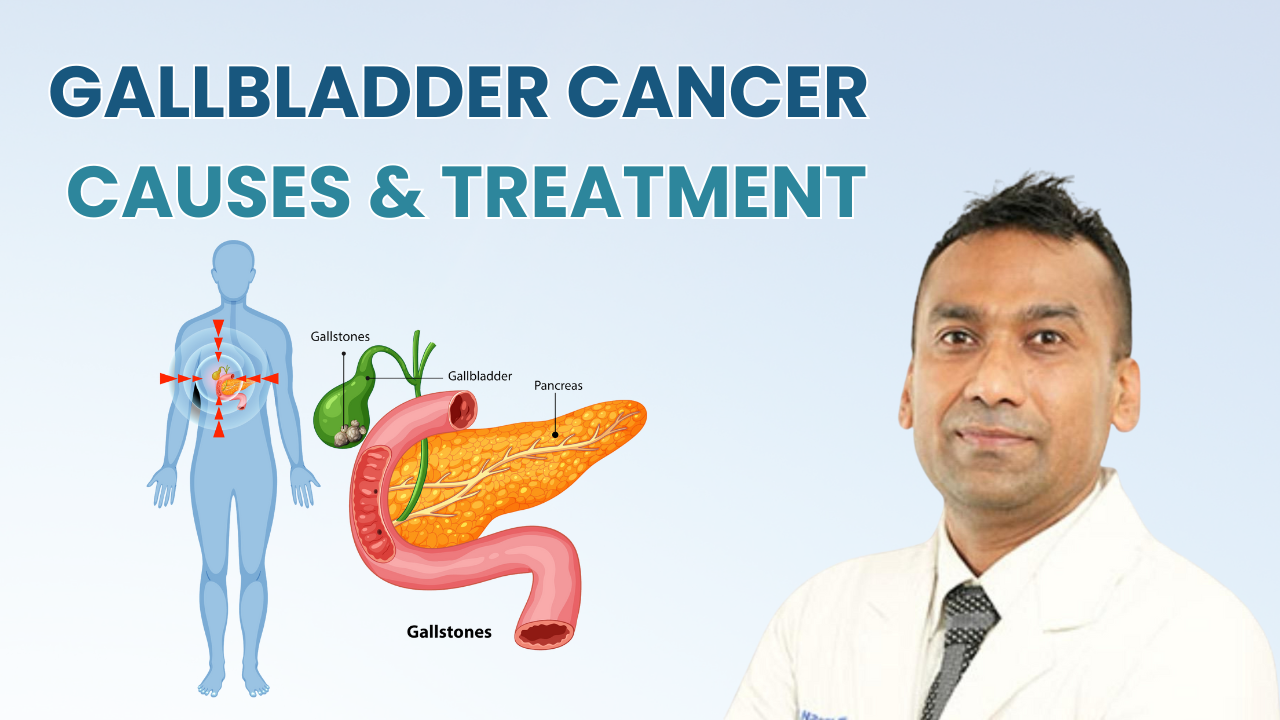
Gallbladder Cancer :Symptoms, Causes, and Treatment by Dr. Akanand Singh

Gallbladder cancer (GBC) is a serious and often aggressive disease that starts in the gallbladder, a small organ beneath the liver responsible for storing bile, which aids in fat digestion. Although relatively rare globally, gallbladder cancer is one of the most common cancers of the biliary tract and is considered one of the most aggressive abdominal cancers.
One of the challenges of gallbladder cancer is that early-stage symptoms are often vague or completely absent, making early diagnosis difficult. Many cases are only detected incidentally after surgery for gallstones or other gallbladder issues.
In Nepal, gallbladder cancer presents a unique health concern, particularly in the Terai region, where both lifestyle and environmental factors contribute to its higher incidence. Dr. Akanand Singh, renowned as the best liver doctor in Nepal, has been instrumental in raising awareness, diagnosing, and treating gallbladder cancer with state-of-the-art care.
This comprehensive guide covers the causes, symptoms, diagnosis, treatment, prevention, and expert advice from Dr. Singh for managing gallbladder health effectively.
What Is Gallbladder Cancer?
Gallbladder cancer develops when abnormal cells in the gallbladder grow uncontrollably, forming tumors. The gallbladder is a pear-shaped organ located beneath the liver that stores bile, which is essential for digesting fats. When cancer affects this organ, it can interfere with digestion, cause inflammation, and eventually spread to surrounding organs like the liver, bile ducts, and lymph nodes.
Types of Gallbladder Cancer
-
Adenocarcinoma – The most common type, originating in the glandular cells lining the gallbladder.
-
Squamous Cell Carcinoma – A rare type affecting squamous cells.
-
Small Cell or Rare Types – Less common forms of gallbladder malignancy.
Early detection is critical because surgical removal at an early stage offers the only chance for cure. Dr. Akanand Singh, as one of Nepal’s leading liver specialists, emphasizes timely evaluation of gallbladder disorders to prevent progression to cancer.
Gallbladder Cancer in Nepal
Gallbladder cancer is more prevalent in Nepal than in many other countries, particularly in the Terai region. The pattern in Nepal is similar to northern India and other Himalayan plains, where chronic gallbladder disease and environmental factors contribute to the risk.
Studies suggest that a combination of lifestyle, dietary habits, and environmental exposures plays a significant role. High prevalence of gallstones, dietary use of mustard oil, and exposure to aflatoxins are notable contributors.
Common Causes and Risk Factors
Several factors increase the likelihood of developing gallbladder cancer in Nepal:
1. Gallstones (Cholelithiasis)
Gallstones are found in nearly 90% of patients with gallbladder cancer. Chronic irritation and inflammation caused by gallstones over years can increase the risk of malignant transformation.
2. Aflatoxin Exposure
Aflatoxins are toxic substances produced by fungi growing on improperly stored grains, nuts, or maize. High aflatoxin exposure has been reported in parts of Nepal and is associated with gallbladder and liver cancers.
3. Mustard Oil Consumption
Repeated use of mustard oil, particularly for deep frying, may increase cancer risk. Traditional dietary habits in Nepal often involve frequent use of mustard oil, which has been linked to gallbladder inflammation in several studies.
4. Chronic Infections
Long-term infections such as Salmonella Typhi (typhoid carrier state) can inflame the gallbladder, raising cancer risk.
5. Gender and Age
Women, especially after menopause, are almost twice as likely as men to develop gallbladder cancer. Hormonal factors and longer lifetime exposure to gallstones may play a role.
6. Genetic and Family History
Inherited tendencies or family history of gallbladder disease can predispose individuals to malignancy.
Dr. Akanand Singh, Nepal’s best liver doctor, emphasizes identifying these risk factors early and undergoing regular checkups, particularly for individuals in high-risk groups.
Warning Signs and Symptoms
Early-stage gallbladder cancer often has no clear symptoms, making routine evaluation essential for at-risk individuals. Common signs include:
-
Persistent pain in the right upper abdomen
-
Nausea or vomiting
-
Jaundice (yellowing of skin and eyes)
-
Loss of appetite and unexplained weight loss
-
Palpable lump or swelling in the upper abdomen
Because these symptoms resemble gallstone disease, GBC is frequently detected after gallbladder surgery. Dr. Akanand Singh recommends prompt evaluation if gallstone-like symptoms persist.
Diagnosis of Gallbladder Cancer
Early diagnosis is key to improving survival. Diagnostic methods include:
-
Ultrasound: Initial imaging to detect gallbladder abnormalities.
-
CT Scan or MRI: Detailed imaging to assess tumor size, spread, and liver involvement.
-
Blood Tests: Tumor markers such as CA 19-9 and CEA can support diagnosis but are not definitive.
-
Biopsy: Tissue examination may be required in certain cases.
Dr. Singh emphasizes a multi-modal approach combining imaging and lab tests to identify gallbladder cancer as early as possible.
Treatment Options
Treatment depends on the stage of the disease:
1. Surgery
Surgical removal of the gallbladder (cholecystectomy) offers the only potential cure if the cancer is detected early. Advanced surgical techniques in Nepal are now available under experts like Dr. Akanand Singh.
2. Chemotherapy
Used in cases where surgery is not feasible or as an adjunct after surgery to prevent recurrence.
3. Immunotherapy
An emerging treatment in advanced gallbladder cancer to improve survival and quality of life.
4. Palliative Care
For advanced-stage patients, palliative treatment focuses on relieving symptoms and enhancing quality of life.
Prevention and Early Awareness
While not all gallbladder cancers can be prevented, several steps can lower the risk:
-
Treat gallstones promptly, especially if they cause recurrent pain.
-
Avoid repeated use of mustard oil for frying.
-
Store grains and nuts properly to prevent fungal contamination.
-
Maintain a healthy diet rich in fruits, vegetables, and fiber.
-
Exercise regularly and maintain a healthy weight.
-
Seek medical advice early if you have persistent abdominal discomfort or family history of gallbladder disease.
Dr. Akanand Singh encourages patients to adopt these lifestyle and dietary precautions to reduce their risk of gallbladder cancer.
Gallbladder Cancer Awareness in Nepal
Gallbladder cancer remains an under-recognized health concern in Nepal. Many individuals ignore gallstone symptoms or mild abdominal discomfort until the disease has progressed to a stage where curative treatment is difficult.
Raising public awareness about gallbladder health, timely diagnosis, and preventive measures is essential. Early detection, particularly with guidance from experts like Dr. Akanand Singh, can significantly improve treatment outcomes.
When to Consult a Doctor
Immediate medical consultation is recommended if you experience:
-
Severe right upper abdominal pain
-
Persistent nausea or vomiting
-
Yellowing of the skin or eyes
-
Unexplained weight loss
-
Palpable abdominal lump
Early evaluation by a gastroenterologist or hepatobiliary surgeon like Dr. Akanand Singh can be life-saving.
Key Message
Gallbladder cancer is a serious but often preventable health issue in Nepal. Awareness, early detection, and proper medical care are crucial for improving survival rates. If you or a family member have gallstones or persistent abdominal discomfort, consulting Dr. Akanand Singh, Nepal’s leading liver specialist, can ensure timely evaluation and expert care.
When to Consult a Doctor for Gallbladder Cancer in Nepal
Don’t Wait Until Symptoms Worsen!
Gallbladder Cancer in Nepal .If you are experiencing gallstones, abdominal discomfort, or any liver or pancreatic issues, early evaluation can make all the difference. Dr. Akanand Singh, the best liver and laparoscopic surgeon in Nepal, specializes in:
-
Liver Transplantation
-
Gallstone Treatment
-
Laparoscopic Surgery
-
Liver & Pancreatic Cancer Management
Get expert care in Kathmandu, Nepal, and take the first step toward better health today.
📞 Call Now: 01-5920190 | +977 9801875750gerd-flat-infographics-with-gastritis-causes-prevention-symbols-vector-illustration
🌐 Visit Our Clinic: Bishwojyoti Mall – First Floor, Jamal, Kathmandu |Nepal International Health Service
🔗 Facebook: NIH Services
✅ Early consultation increases chances of effective treatment. Don’t wait — book your appointment today!