
Holi Liver Health Tips: Celebrate Safely and Protect Your Liver
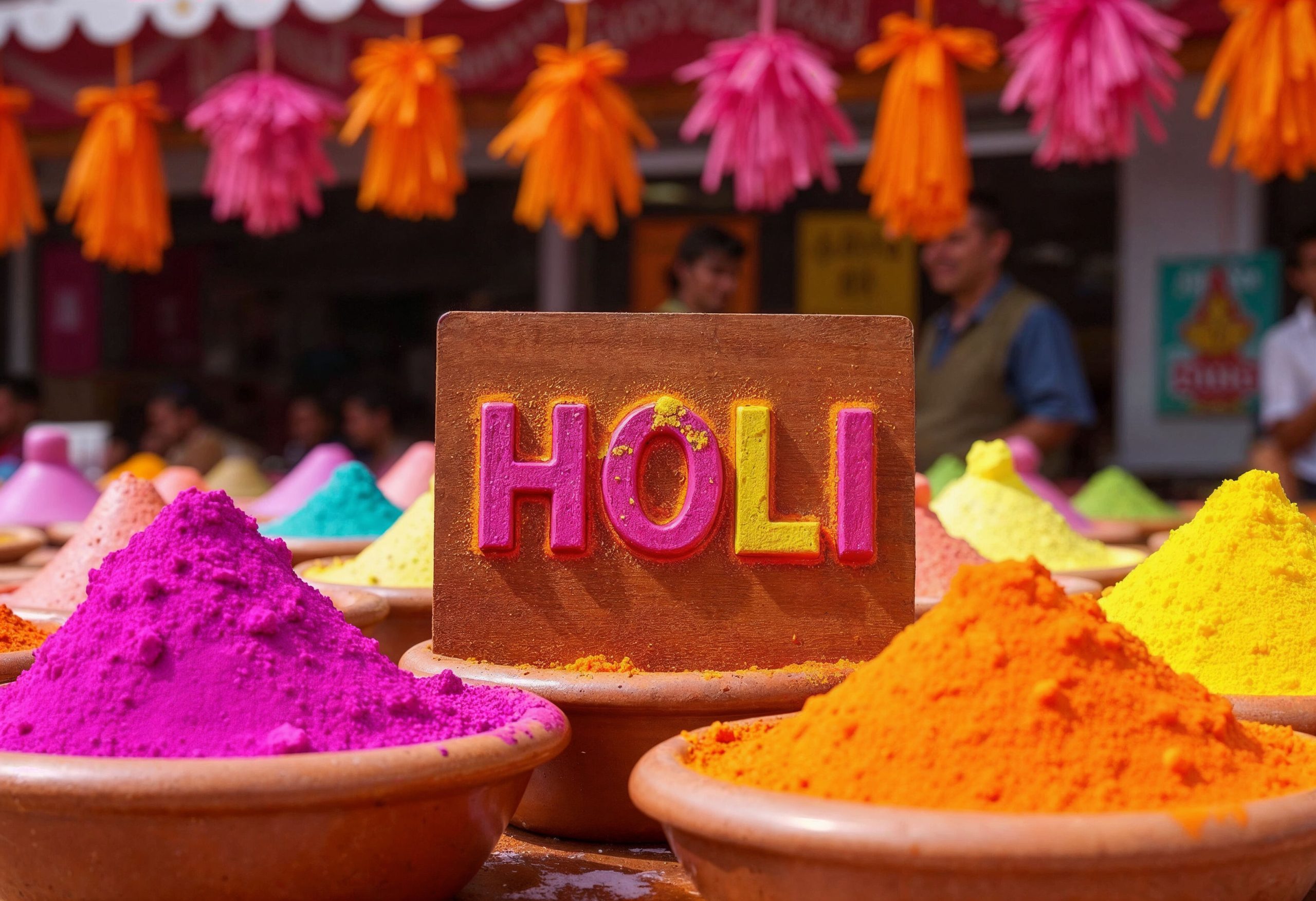
🌿 Introduction: Holi Liver Health Tips for Safe Celebrations
Holi is a festival of colors, joy, and togetherness—but it can also put your liver at risk. These Holi Liver Health Tips from Dr. Akanand Singh, a renowned Hepatobiliary and Liver Transplant Surgeon, guide families and patients on how to enjoy Holi safely while protecting one of the body’s most vital organs—the liver.
🌈 Holi Liver Health Tips: Avoid Toxic Chemical Colors
Traditional Holi colors were herbal and safe, but modern synthetic colors often contain heavy metals such as lead, mercury, and copper.
Tips for liver protection:
-
Use plant-based or certified herbal powders
-
Apply oil on skin before playing
🍽 Holi Liver Health Tips: Manage Festive Foods Safely
Excessive sugar, fried foods, and artificially colored sweets can strain the liver.
Key tips:
-
Limit sugar-rich sweets and fried snacks
-
Eat fresh, home-cooked meals
-
Avoid street foods with unknown hygiene
🌿 Understanding the Liver: Why Protection Matters During Festivals
The liver is the largest internal organ and plays a critical role in:
-
Detoxifying harmful substances
-
Metabolizing fats, sugars, and proteins
-
Producing bile for digestion
-
Regulating cholesterol levels
-
Storing essential vitamins and minerals
-
Supporting immunity
During festivals like Holi, the liver faces a triple burden:
-
Chemical exposure from synthetic colors
-
High-fat, high-sugar festive foods
-
Increased alcohol consumption
Dr. Akanand Singh explains that even short-term overload can cause temporary liver inflammation, and in vulnerable individuals, it may trigger serious complications.
🌈 Chemical Holi Colors: Hidden Toxic Threat

Holi liver health tips:
-
Use plant-based or certified herbal powders.
-
Apply oil on skin before playing to reduce absorption.
Common Toxic Ingredients Found in Synthetic Colors:
-
Lead oxide (used in paint)
-
Mercury sulfide
-
Copper sulfate
-
Chromium compounds
-
Industrial textile dyes
While skin reactions are common, the deeper concern lies in accidental ingestion and inhalation.
How Do These Chemicals Affect the Liver?
When toxic substances enter the body:
-
They are absorbed into the bloodstream.
-
The liver processes and detoxifies them.
-
Excessive exposure increases oxidative stress.
-
Liver cells (hepatocytes) may become inflamed or damaged.
Repeated exposure over time may contribute to long-term liver stress, especially in individuals with pre-existing liver conditions.
Dr. Singh strongly advises choosing certified herbal colors or homemade alternatives to reduce chemical exposure.
🍽 Festive Foods and Liver Overload
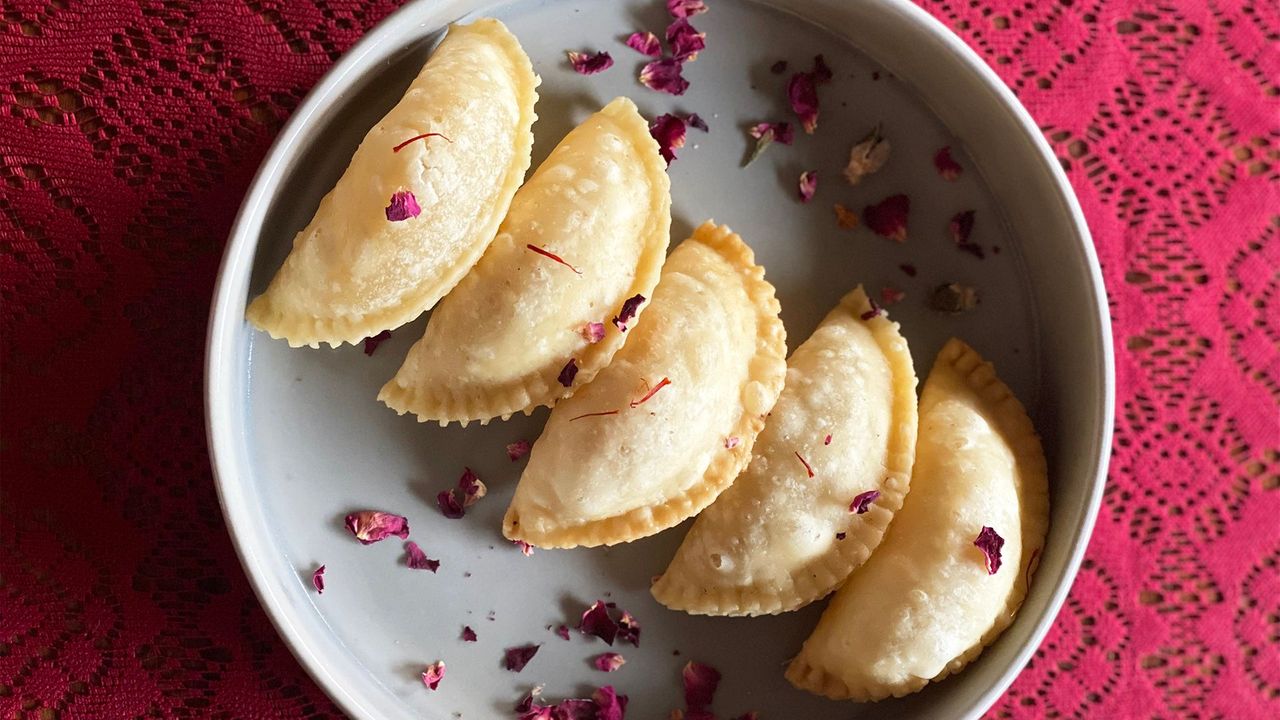

Excessive sugar, fried foods, and artificially colored sweets can strain the liver.
Key points for Holi liver health:
-
Limit sugar-rich sweets and fried snacks.
-
Eat fresh, home-cooked meals.
-
Avoid street foods with unknown hygiene.
Read more about fatty liver prevention on our website.
Common Festive Foods Include:
-
Deep-fried snacks
-
Sugar-rich sweets
-
Cream-based desserts
-
Artificially colored confectionery
-
Heavy meat dishes
Impact on Liver Health:
1. High Sugar Intake
Excess sugar converts into fat in the liver, increasing the risk of fatty liver disease.
2. Excessive Fat Consumption
Fried foods elevate triglyceride levels and strain fat metabolism pathways.
3. Food Adulteration Risks
Poor hygiene or contaminated ingredients can cause hepatitis A and E infections—both of which directly affect the liver.
4. Artificial Food Colors
Certain synthetic food dyes may contribute to metabolic stress.
Dr. Akanand Singh advises moderation and preference for freshly prepared, hygienic meals.
🍺 Alcohol Consumption: The Most Serious Festival Risk
Alcohol use commonly rises during Holi celebrations. Binge drinking can trigger acute liver inflammation and long-term liver disease. While occasional moderate intake may not harm healthy individuals, binge drinking poses serious danger.
Short-Term Effects:
-
Acute liver inflammation
-
Dehydration
-
Gastritis
-
Elevated liver enzymes
Long-Term Risks:
-
Fatty liver disease
-
Alcoholic hepatitis
-
Cirrhosis
-
Liver failure
Holi liver health tips:
-
Avoid excessive alcohol.
-
Prefer non-alcoholic beverages.
-
Monitor symptoms like jaundice or dark urine.
For individuals with fatty liver, hepatitis B or C, or previous liver injury, even small amounts of alcohol can worsen the condition.
Dr. Singh clearly states:
“Alcohol is one of the leading preventable causes of liver disease. During festivals, emotional excitement should not override medical awareness.”
⚠ High-Risk Groups Who Must Be Extra Careful
Patients who must follow Holi liver health tips strictly include:
-
Fatty liver patients
-
Hepatitis B or C patients
-
Post-liver transplant recipients
-
Diabetics and elderly individuals
🧴 Skin, Immunity, and Systemic Impact
The skin acts as a barrier, but harsh chemicals can penetrate and cause systemic reactions. Allergic inflammation triggers immune responses, indirectly affecting overall metabolic health.
In individuals with compromised immunity or chronic disease, festival-related stress may increase infection susceptibility.
💧 Hydration: A Simple Yet Powerful Liver Support Tool
Proper hydration helps detoxification, prevents dehydration, and reduces metabolic strain. Drink clean water frequently during celebrations.
-
Supports detoxification
-
Maintains electrolyte balance
-
Prevents dehydration from alcohol
-
Reduces metabolic strain
Drinking adequate clean water throughout Holi celebrations is one of the simplest protective strategies.
🏥 Warning Signs After Holi: When to Seek Medical Help
Immediately consult a doctor if you experience:
-
Persistent vomiting
-
Severe abdominal pain
-
Yellowing of eyes (jaundice)
-
High fever
-
Continuous diarrhea
-
Dark urine
-
Extreme fatigue
Early intervention can prevent progression to severe liver injury.
🌿 Safe Holi Celebration Guidelines by Dr. Akanand Singh
1. Choose Herbal Colors
Opt for plant-based or certified natural powders.
2. Apply Oil Before Playing
Mustard or coconut oil reduces skin absorption of chemicals.
3. Eat Fresh, Home-Cooked Food
Avoid exposed street food.
4. Limit Sweets and Fried Items
Practice portion control.
5. Avoid Binge Drinking
Prefer non-alcoholic beverages.
6. Stay Hydrated
Drink clean water regularly.
7. Maintain Medication Schedule
Liver patients must not skip prescribed drugs.
8. Monitor Symptoms
Seek early medical evaluation if discomfort occurs.
🎉 Balancing Celebration and Prevention
Holi symbolizes unity, joy, and renewal. Medical awareness does not reduce enjoyment—it enhances safety.
Celebrating Holi safely ensures:
-
Children and elderly are protected
-
Patients avoid disease flare-ups
-
Communities reduce hospital visits
Preventive healthcare is always more effective and economical than emergency treatment.
👨⚕ Final Message from Dr. Akanand Singh
As a Hepatobiliary and Liver Transplant Surgeon, Dr. Akanand Singh has witnessed preventable liver complications during festive seasons. His message is clear:
“Celebrate responsibly. Protect your liver. Health is the true color of life.”
Through continued public awareness initiatives at NIHS, the goal is to promote safe celebrations across Nepal.
📌 Conclusion
Holi 2026 should be remembered for happiness—not hospital admissions. Chemical colors, contaminated food, and excessive alcohol are preventable risks.
By following medical guidance from experts like Dr. Akanand Singh and adhering to NIHS health advisories, families can celebrate Holi safely while preserving liver health.