
Early Warning Signs of Liver Disease You Should Know
10 Early Warning Signs of Liver Disease You Should Never Ignore
The early warning signs of liver disease are often subtle and easy to miss, yet recognizing them promptly can prevent serious complications such as cirrhosis, liver failure, or liver cancer. The liver is a vital organ responsible for detoxifying the body, producing bile, and supporting metabolism, but many people ignore the signs that indicate it may be under stress. Experts like Dr. Akanand Singh, MD, PhD, and healthcare initiatives from NIHS Nepal emphasize the importance of early detection and liver health awareness to protect long-term wellbeing.
Recognizing the early warning signs of liver disease is crucial. Timely detection can prevent complications such as cirrhosis, liver failure, or liver cancer. In Nepal, organizations such as NIHS (National Institute of Health Sciences), along with experts like Dr. Akanand Singh, MD, PhD, emphasize the importance of liver health awareness, early diagnosis, and patient education.
In this comprehensive guide, we will explore the top 10 early warning signs of liver disease, their causes, risk factors, and what steps you can take to protect your liver health.
Why Early Detection of Liver Disease and Its Warning Signs Matters
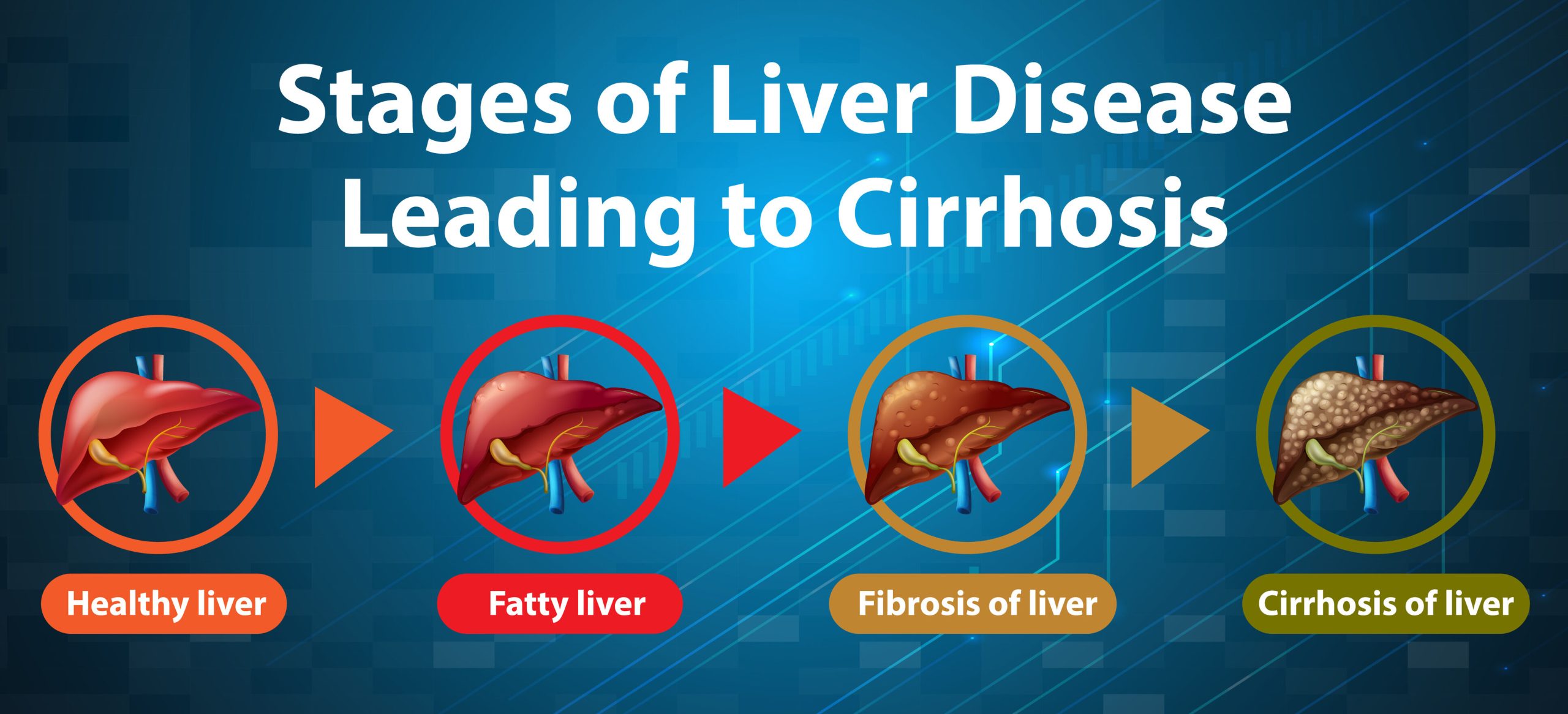
The liver’s ability to regenerate is remarkable, but this can also mask early symptoms of damage. Many liver conditions, such as non-alcoholic fatty liver disease (NAFLD), alcoholic liver disease, viral hepatitis, and cirrhosis, may begin with subtle signs that are easy to overlook. When left undiagnosed, these conditions can progress to irreversible damage, severely impacting a person’s quality of life.
Early detection of liver disease allows for:
-
Timely medical intervention: Treatments are more effective when started early.
-
Lifestyle modifications: Diet, exercise, and habits can prevent further liver damage.
-
Monitoring and follow-up: Regular liver function tests (LFTs) help track disease progression.
-
Reduced risk of complications: Early action can prevent liver failure, portal hypertension, or liver cancer.
In Nepal, NIHS regularly conducts awareness programs and health camps to educate the public about liver disease prevention and early detection. Initiatives led by healthcare professionals like Dr. Akanand Singh have significantly improved access to liver health education, screening, and transplantation services.
Understanding Liver Disease: Causes and Early Symptoms
Liver disease refers to any condition that impairs the liver’s ability to function. It can be caused by a variety of factors:
-
Fatty liver disease (NAFLD and AFLD) – Fat accumulation in the liver due to obesity, diabetes, or excessive alcohol intake.
-
Viral hepatitis (Hepatitis B and C) – Infection leading to inflammation of the liver.
-
Alcohol-related liver disease – Chronic alcohol consumption damaging liver cells.
-
Autoimmune liver diseases – Conditions where the immune system attacks liver cells.
-
Genetic disorders – Such as hemochromatosis or Wilson’s disease.
-
Drug-induced liver injury – Certain medications, herbal remedies, or toxins.
Regardless of the cause, early identification of liver dysfunction significantly improves outcomes.
10 Early Warning Signs of Liver Disease You Should Never Ignore
1. Persistent Fatigue and Weakness: A Key Early Symptom of Liver Disease
One of the earliest and most common symptoms of liver disease is chronic fatigue. The liver plays a key role in metabolizing nutrients and producing energy, so when it is damaged, energy levels decline. Patients may feel constantly tired, weak, or unable to perform daily activities.
“Many patients underestimate fatigue as a symptom, but persistent exhaustion can be an early signal of liver dysfunction,” explains Dr. Akanand Singh, a leading liver specialist in Nepal.
2. Loss of Appetite as an Early Warning Sign of Liver Disease
A decreased appetite or early satiety can be another subtle sign of liver disease. Liver dysfunction can disrupt digestion and metabolism, leading to loss of interest in food. Unintentional weight loss may also accompany this symptom, highlighting the need for medical evaluation.
3. Nausea and Vomiting Indicating Liver Dysfunction
Frequent nausea, vomiting, or digestive discomfort may indicate liver problems. These symptoms are often overlooked or mistaken for gastrointestinal issues, but persistent nausea can signal fatty liver disease, hepatitis, or liver inflammation.
4. Yellowing of Skin and Eyes (Jaundice) as a Liver Health Alert
Jaundice is a hallmark sign of liver dysfunction, caused by the buildup of bilirubin, a waste product from the breakdown of red blood cells. Yellow discoloration of the skin and eyes should never be ignored, as it often indicates significant liver injury.
NIHS recommends that individuals experiencing jaundice seek immediate medical attention for proper evaluation and management.
5. Abdominal Pain or Swelling: Recognizing Liver Disease Symptoms
Pain or discomfort in the upper right abdomen can suggest liver inflammation or enlargement. In advanced stages, liver disease may lead to ascites, the accumulation of fluid in the abdomen, which causes swelling and discomfort.
6. Dark Urine: Early Indicator of Liver Problems
Dark urine is another subtle but important warning sign. When bilirubin is not processed effectively due to liver dysfunction, it accumulates in the bloodstream and is excreted in urine, causing a dark brown or tea-colored appearance.
7. Pale or Clay-Colored Stool Suggesting Liver Dysfunction
A healthy liver produces bile that gives stool its characteristic brown color. When bile production is impaired, stool may become pale, clay-colored, or greasy, indicating potential biliary obstruction or liver disease.
8. Unexplained Weight Loss as a Liver Disease Warning Sign
Unintentional weight loss without dietary changes or increased physical activity may point to chronic liver disease or liver cancer. This symptom is often associated with advanced liver dysfunction, emphasizing the need for early screening.
9. Itchy Skin (Pruritus) Related to Liver Dysfunction
Persistent itching, especially on the hands and feet, can occur when bile salts accumulate under the skin due to liver dysfunction. Although it may seem minor, chronic pruritus is a recognized symptom of cholestasis and other liver conditions.
10. Easy Bruising or Bleeding: Signs of Advanced Liver Disease
The liver produces clotting factors essential for normal blood coagulation. When liver function declines, individuals may notice easy bruising, nosebleeds, or prolonged bleeding from minor cuts. This symptom signals advanced liver impairment and warrants prompt evaluation.
Risk Factors That Increase the Likelihood of Liver Disease
Certain factors increase the risk of developing liver disease:
-
Obesity and metabolic syndrome – Leading to fatty liver.
-
Chronic alcohol consumption – Causing alcoholic liver disease.
-
Viral infections – Hepatitis B or C.
-
Genetic predisposition – Family history of liver disorders.
-
Poor diet – High in processed foods and sugars.
-
Sedentary lifestyle – Reducing liver metabolism efficiency.
Understanding these risk factors helps individuals adopt preventive measures and undergo timely screening.
Lifestyle Changes to Protect Your Liver and Prevent Early Liver Disease Symptoms
Maintaining liver health is possible through simple lifestyle modifications:
-
Balanced diet – Include vegetables, fruits, whole grains, and lean proteins.
-
Limit alcohol consumption – Excess alcohol is a leading cause of liver disease.
-
Regular exercise – Helps prevent obesity and fatty liver.
-
Vaccinations – Hepatitis B vaccination is crucial for prevention.
-
Avoid unnecessary medications – Some drugs and herbal remedies may harm the liver.
-
Hydration – Drinking sufficient water supports liver detoxification.
-
Regular checkups – Periodic liver function tests (LFTs) can detect early abnormalities.
When to Consult a Liver Specialist for Early Signs of Liver Disease
How Dr. Akanand Singh Helps Patients Detect Liver Disease Early
Early consultation with a hepatologist or liver specialist is vital for managing liver disease effectively. You should seek professional help if you notice:
-
Persistent fatigue or weakness
-
Yellowing of the eyes or skin
-
Abdominal swelling or discomfort
-
Unexplained weight loss
-
Changes in urine or stool color
-
Chronic itching or bleeding tendencies
In Nepal, Dr. Akanand Singh, MD, PhD, is a renowned Hepatobiliary and Liver Transplant Surgeon who has helped countless patients with liver diseases. Serving as Faculty of Surgery at KIST Medical College and a Visiting Consultant at Nepal Mediciti Hospital, he also chairs Liver Transplant Nepal, playing a pivotal role in improving liver care and transplantation services across the country.
The Role of NIHS in Liver Health Awareness and Early Detection
Organizations like NIHS are instrumental in raising public awareness, organizing liver health camps, and educating communities about liver disease prevention. Through screening programs, workshops, and educational campaigns, NIHS helps individuals understand the importance of early detection and treatment of liver conditions.
Dr. Akanand Singh frequently collaborates with NIHS to promote liver health education and ensure that advanced care is accessible to patients in Nepal.
Common Liver Diseases and Their Early Symptoms
Fatty Liver Disease (NAFLD and AFLD)
-
Accumulation of fat in liver cells
-
Often symptomless in early stages
-
Risk factors: Obesity, diabetes, alcohol use
Hepatitis B and C
-
Viral infections affecting the liver
-
Symptoms: Fatigue, jaundice, abdominal pain
-
Can lead to chronic liver disease and cirrhosis
Alcohol-Related Liver Disease
-
Chronic alcohol consumption damages liver cells
-
Early signs: Fatigue, nausea, weight loss
-
Advanced: Jaundice, ascites, bleeding
Cirrhosis
-
Scarring of the liver due to chronic injury
-
Symptoms: Abdominal swelling, bruising, confusion
-
Can lead to liver failure if untreated
Liver Cancer
-
Often develops after chronic liver disease or cirrhosis
-
Symptoms: Weight loss, abdominal pain, jaundice
-
Early detection improves survival rates
Conclusion: Early Detection of Liver Disease Saves Lives
The liver is a silent worker in our body, performing crucial functions that sustain life. Recognizing the early warning signs of liver disease, such as fatigue, jaundice, abdominal pain, and changes in urine or stool, can prevent serious complications. Early intervention, healthy lifestyle changes, and regular screenings are key to maintaining liver health.
With experts like Dr. Akanand Singh and initiatives by NIHS, patients in Nepal have access to advanced liver care, transplantation services, and educational resources that can save lives. Don’t ignore subtle symptoms; your liver health today determines your overall wellbeing tomorrow.
“Early detection and prevention are the best strategies to combat liver disease,” says Dr. Akanand Singh. “Understanding your risk factors and seeking timely medical care can make all the difference.”
Key Takeaways
-
Liver disease often develops silently; early symptoms should never be ignored.
-
Common warning signs include fatigue, jaundice, abdominal swelling, dark urine, pale stool, itching, and easy bruising.
-
Lifestyle changes, vaccinations, and regular screenings are essential for liver protection.
-
Consultation with experienced liver specialists like Dr. Akanand Singh improves outcomes.
-
Awareness programs by NIHS are helping communities in Nepal understand and prevent liver diseases.